
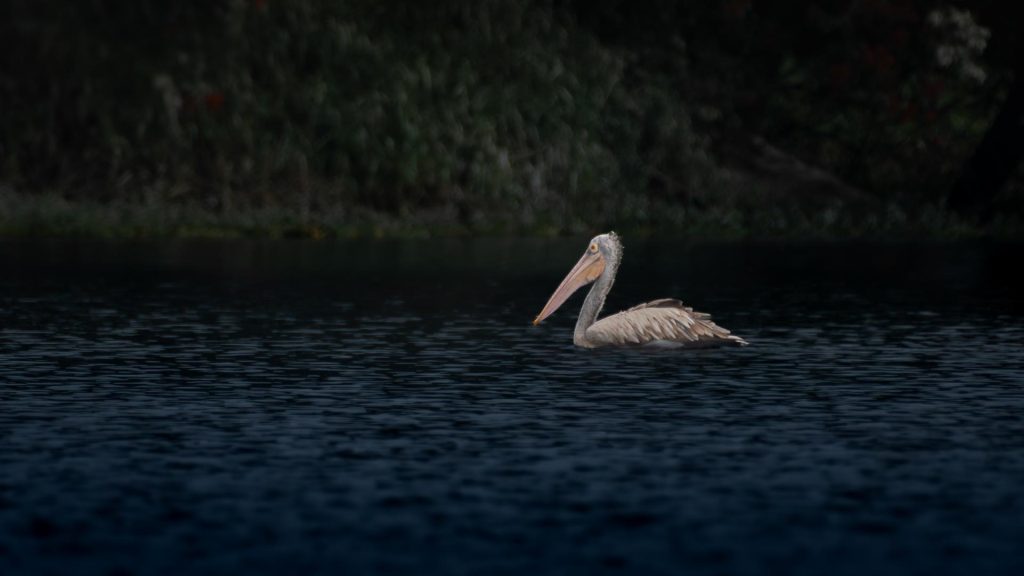
Photography and light often feel inseparable.
Most photographers, especially those into wildlife, equate good light with a properly exposed subject in soft light under ideal conditions. It is natural to hope for clear skies and bright days when you step out with your camera.
I used to feel the same. An overcast morning felt like a wasted effort because you cannot add artificial light in the wild as you do in portraits.
But over the years, my relationship with the light has changed. Sometimes I look forward to overcast days or cloudy mornings.
This may sound strange because poor light usually disappoints outdoor photographers. Yet in that very limitation lies a new space for creativity.
As a resident of Bangalore, I am privileged to have several lakes in close proximity. Many of these lakes are rich in birdlife and contain dense vegetation.
These lakes transform into perfect ‘Low Key Bird Photography’ environments on overcast mornings.
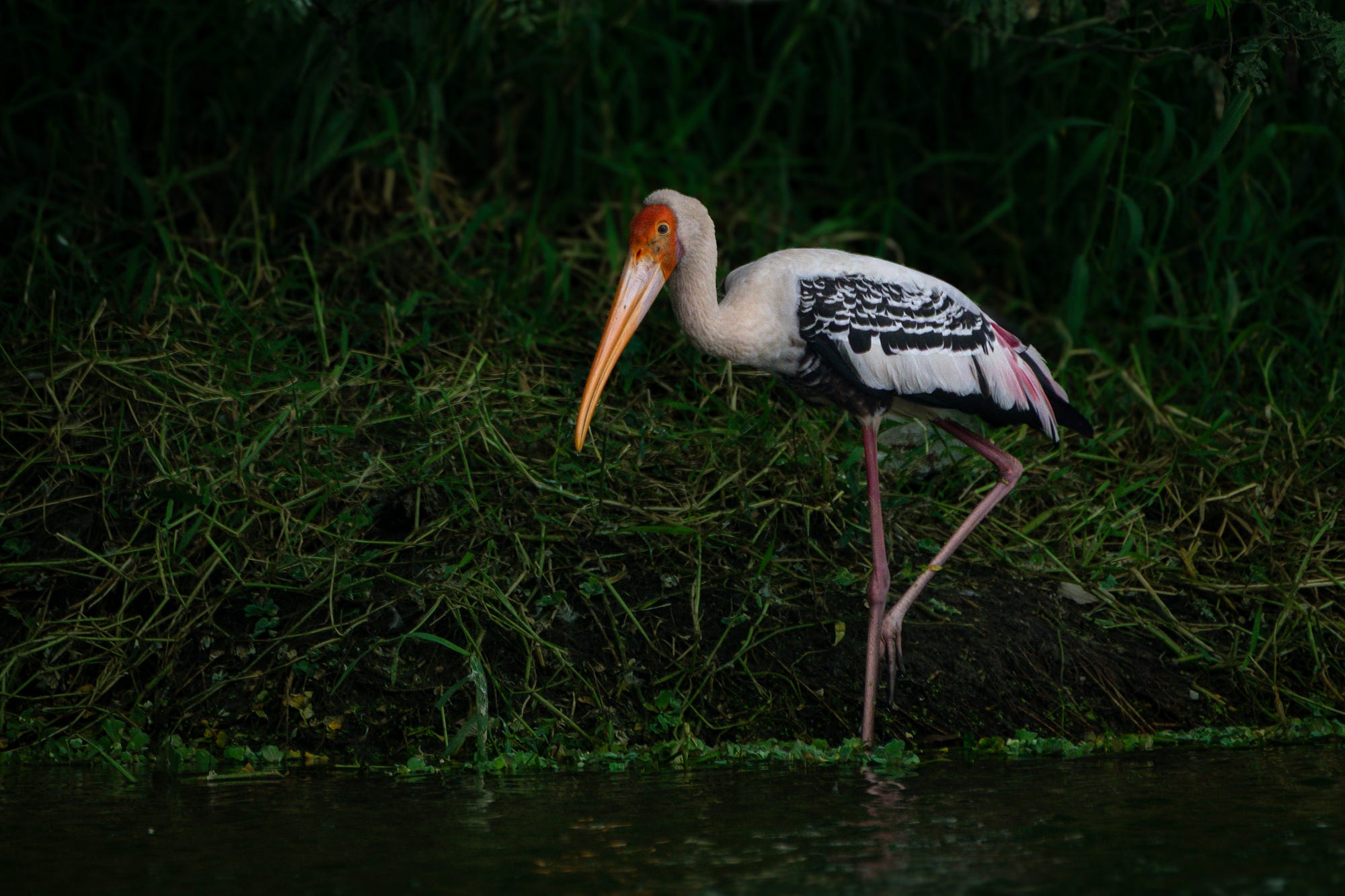
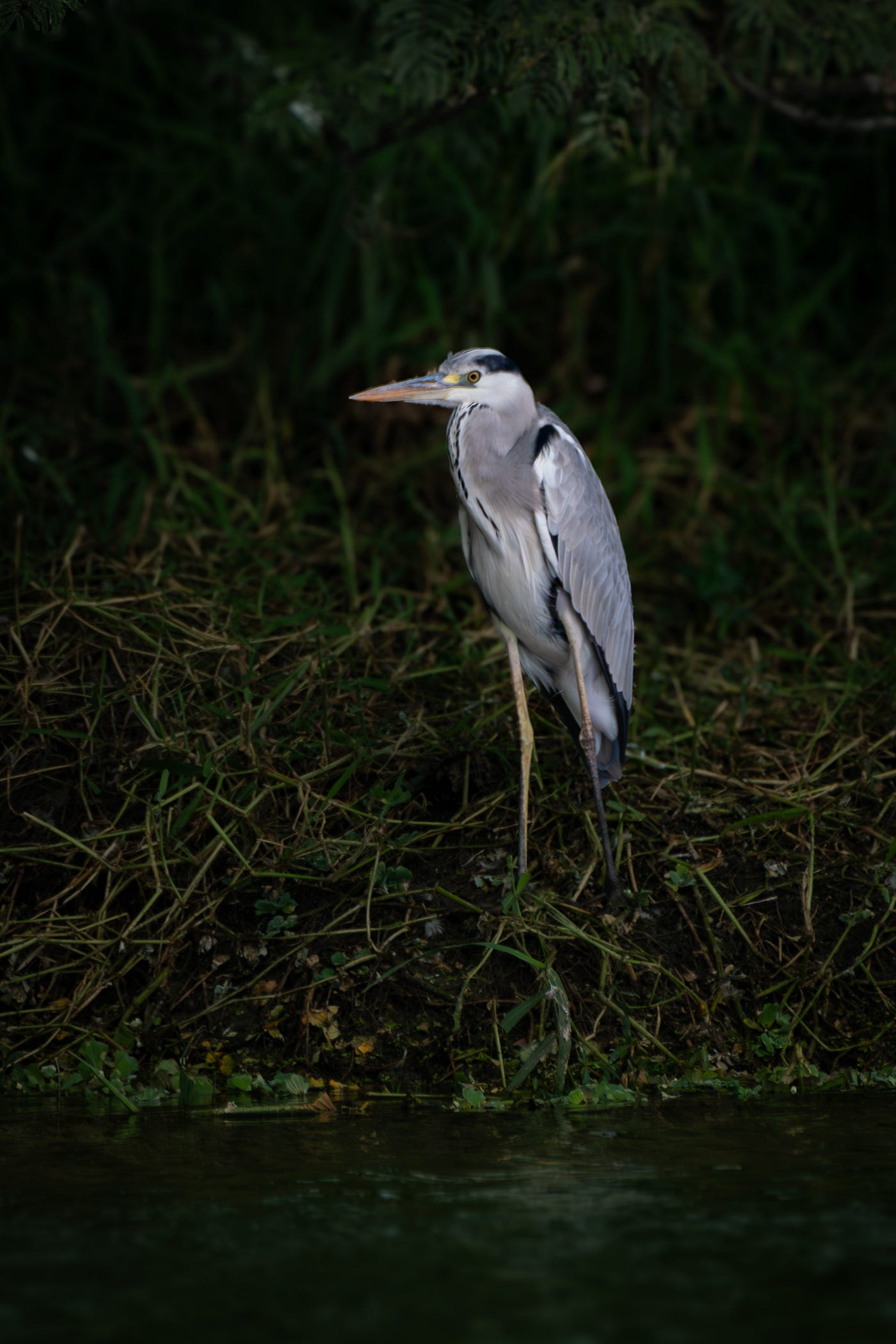
Thick foliage creates deep shadows. A dim light and shadow background surrounds the birds as they step out into the open patches. As the colours shift, the mood of the frame becomes more dramatic or melancholy. This is when low key bird photography comes to life.
Low key wildlife photography thrives in lower tones, or as we often call them, darker tones. The shadows dominate the frame, and the subject remains gently illuminated. It is not about underexposing blindly. It is about shaping the light, reducing the highlights, pulling down the whites, and keeping just enough exposure so that the habitat is visible.
The idea is to accentuate the bird by creatively using negative space. The darker backdrop frames the bird naturally and draws the viewer into the story.
In tropical countries like India, the weather is unpredictable. Forecasts are often unreliable. There are times when you reach the field only to find that the sky is dull. Instead of returning home frustrated, I have learnt to embrace these conditions.
Overcast days sometimes become an opportunity. This allows me to expand my gallery with “Low Key Wildlife Photography”, a genre many photographers ignore.
The first element you should look for in low key bird photography is a background in shadows. Many wildlife photographers avoid shadows because they believe shadows ruin an image. But for low key frames, the shadow becomes the most valuable aspect.
It builds mood. It adds mystery. It accentuates form and texture. It gives emotional depth to the frame, be it dramatic, melancholic, or contemplative.
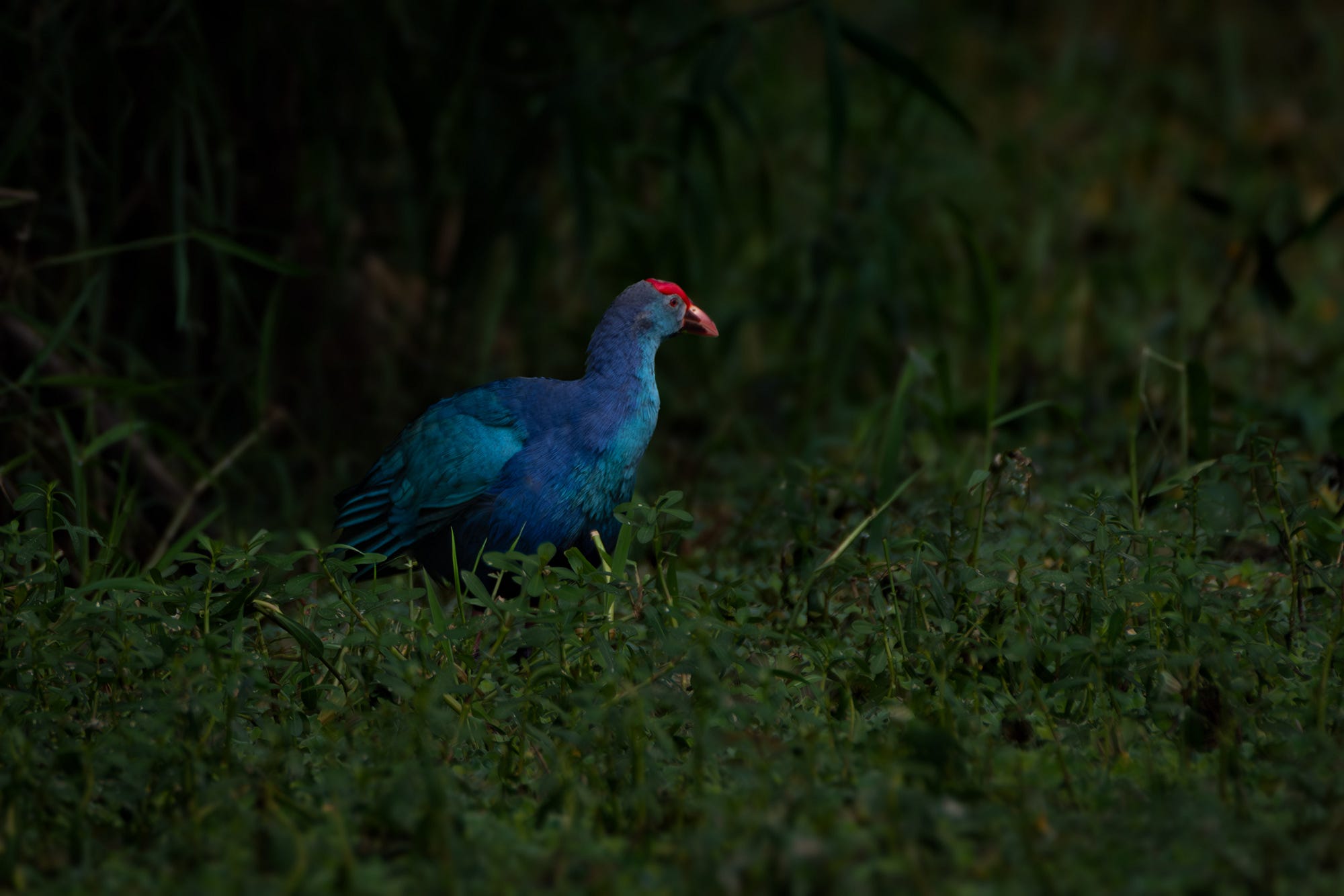
This is why lakes with dense vegetation are blessings for this style of photography. Such landscapes give me three advantages.
Number one, the thick foliage provides a consistent shadowed background that helps the subject stand out without losing the natural setting.
Number two, the water in the foreground offers patterns, reflections, and soft textures that enhance the atmosphere. Floating algae and Reeds provide a nice foreground.
Number three, many waterbirds have white or grey plumage with accents of red, pink, orange or purple on their beaks and foreheads. These colors contrast beautifully against the darker tones.
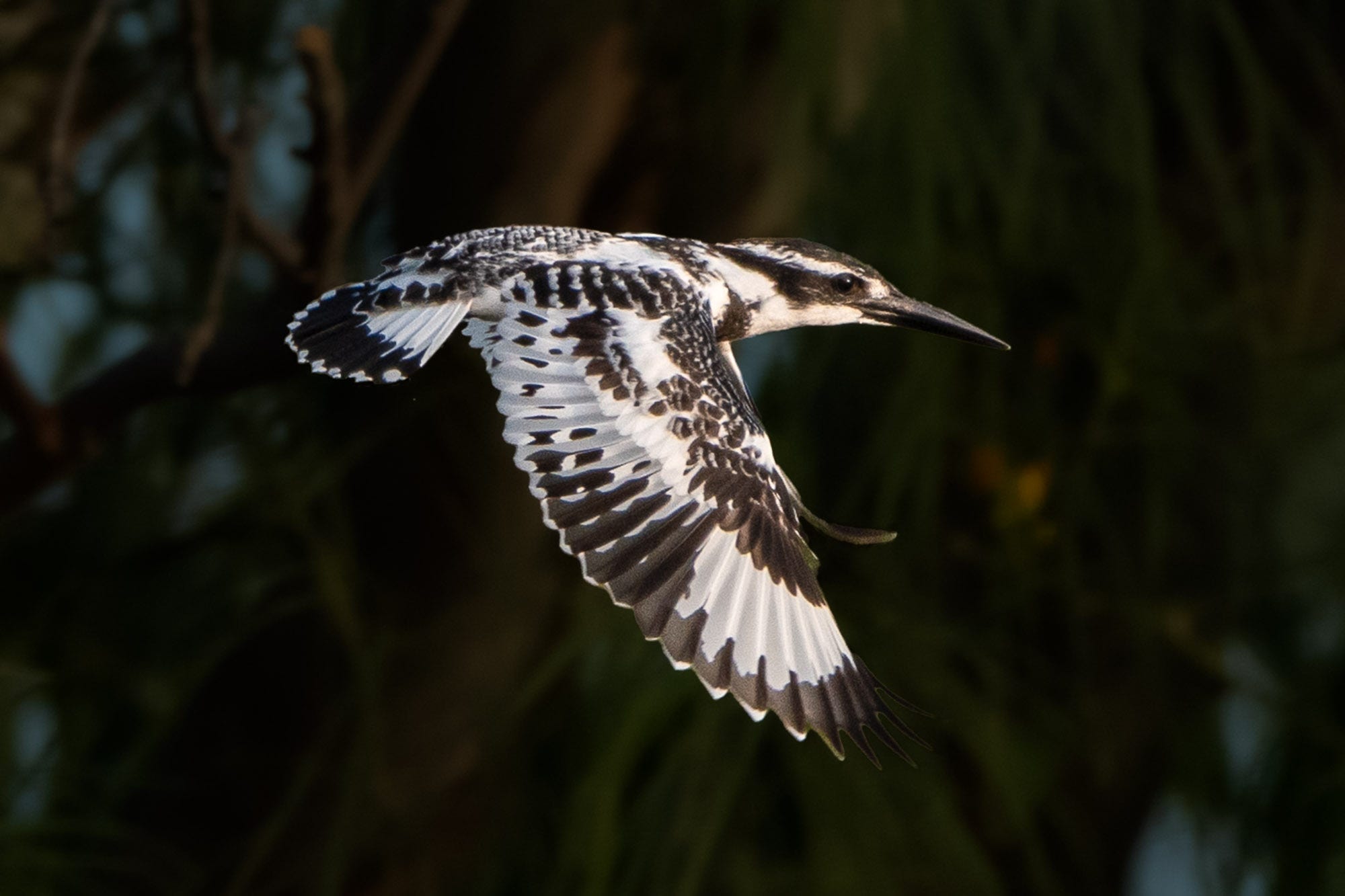
Even common species like the Gray Heron, Painted Stork, or Purple Swamphen transform beautifully in low key conditions. Many photographers ignore these birds as they feel they are too familiar.
But on an overcast day, these same birds provide some of the most striking frames when placed against shadows and negative space.
Low key bird photography also changes how you experience the moment. It makes you see subtle colors and gentle highlights that would be lost in bright light. Above all, as photographers, we should not forget that mood is a powerful storyteller. The frame becomes less about documenting and more about feeling.
One of my objectives in going out in the field is very simple. I want to create a meaningful frame without worrying about the weather or chasing rare species.
When a bird, irrespective of the species, gives me a sense of mood and balance, my purpose for the day is fulfilled.
The overcast days have taught me something valuable. You cannot control the light in the wild, but you can always control how creatively you use it.