
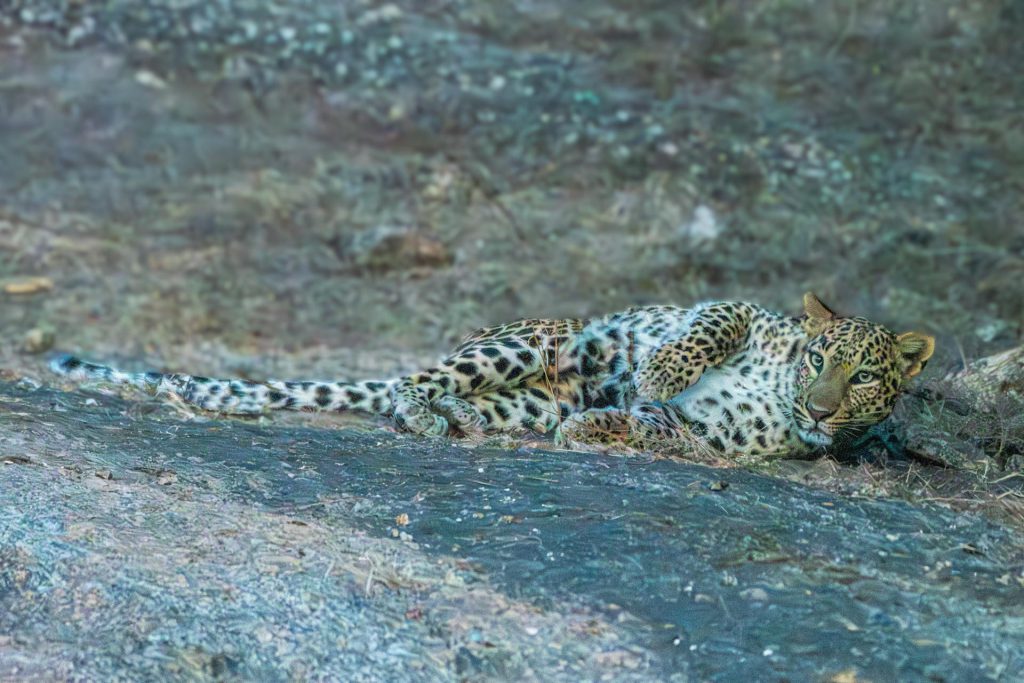
Not every leopard sighting becomes a memory.
Yet some will stay with you forever because they are not just about the leopard. They are about how you experienced the moment.
Whenever I travel for wildlife photography, I remind myself that patience, respect, and genuine local knowledge form the core of every meaningful sighting.
They matter more than your powerful telephoto lens, a professional camera, or the number of safaris you have done. They shape the experience and create a balance between conservation and tourism.
Although I conduct experiential wildlife tours myself, I never take my understanding of any landscape for granted.
Every terrain has its own rhythm. Every region has its own unwritten rules that you MUST follow. And every wild space becomes more meaningful when guided by someone who belongs to it. Someone who has grown with its dust, its culture, and its wildlife.
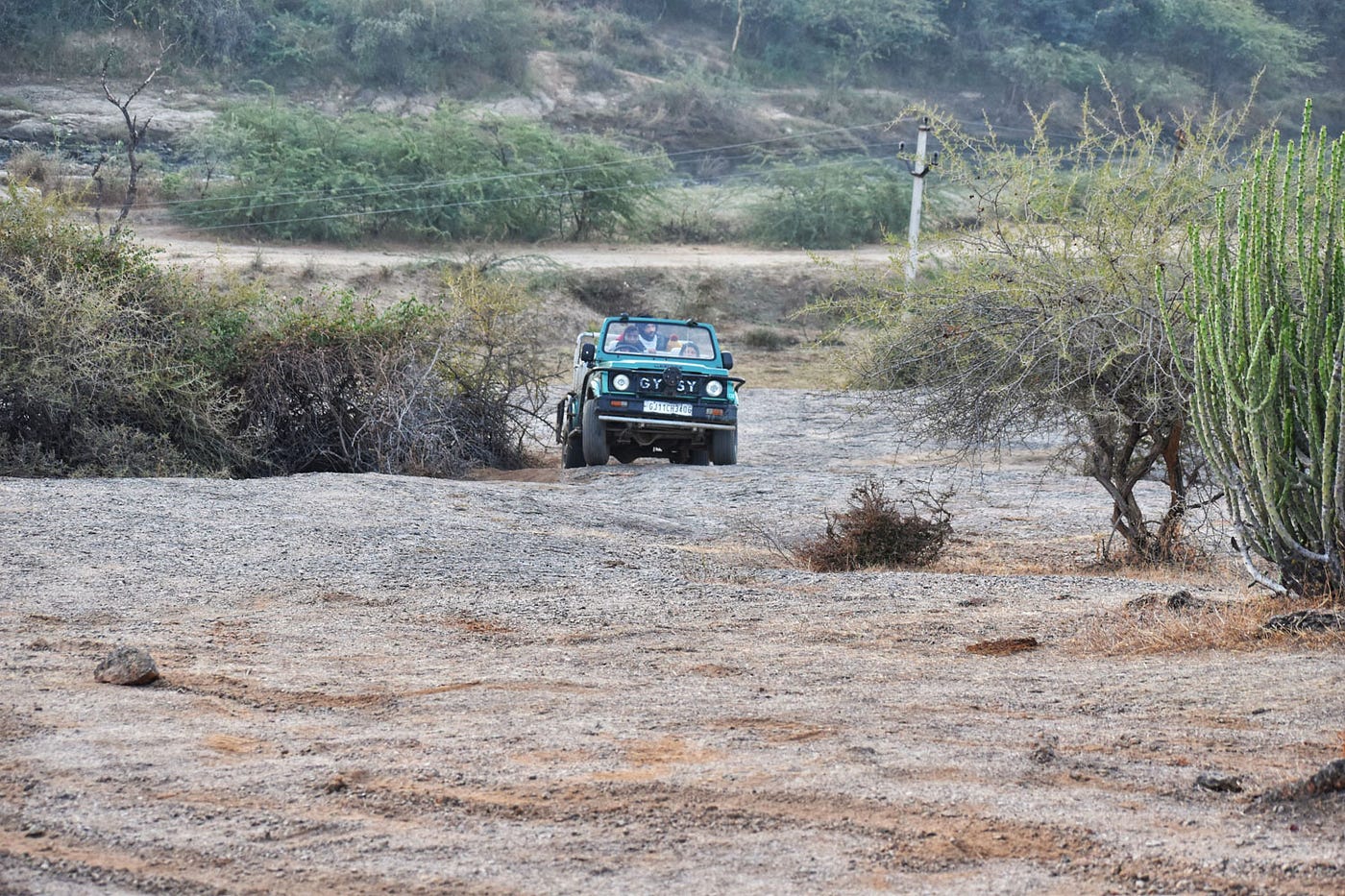
This trip to Jawai in Rajasthan began with that clarity. I wanted a guide who was local and owned a safari vehicle. Someone who valued leopards more than customer tips. Someone who understood conservation and the pressure that overtourism puts on wildlife.
I was not looking for a guide who chased commissions or tried to satisfy every demand of a tourist with no regard for the animals.
Look at this stunning female leopard from Jawai, Rajasthan. She was just 15 feet away when I clicked these pictures.
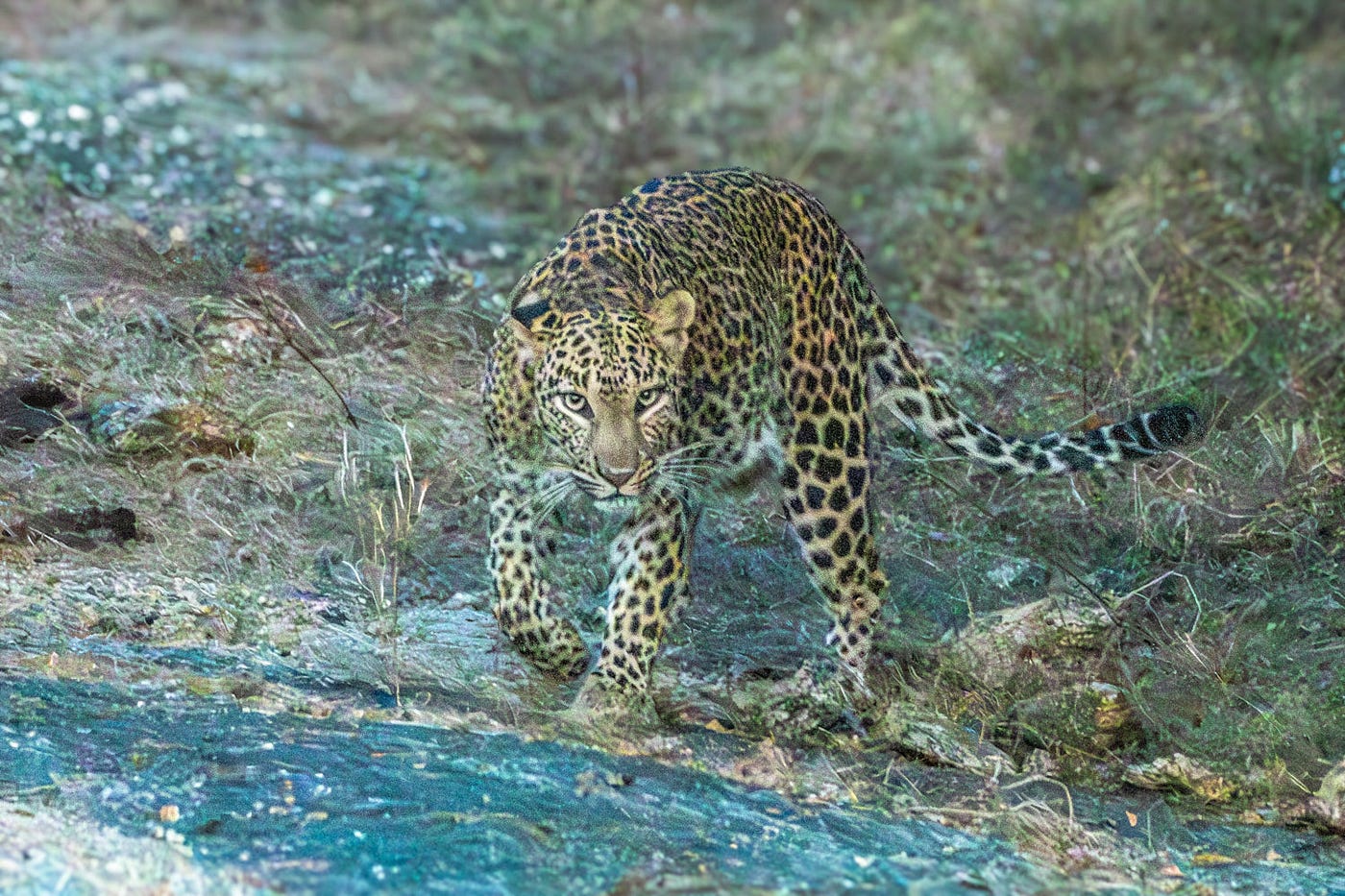
Jawai has become a popular weekend escape. With that popularity comes a side effect that is often ignored.
Safari Jeeps line up in long rows. Sometimes, 40–50 vehicles chase a single leopard as if it is a spectacle meant for display.
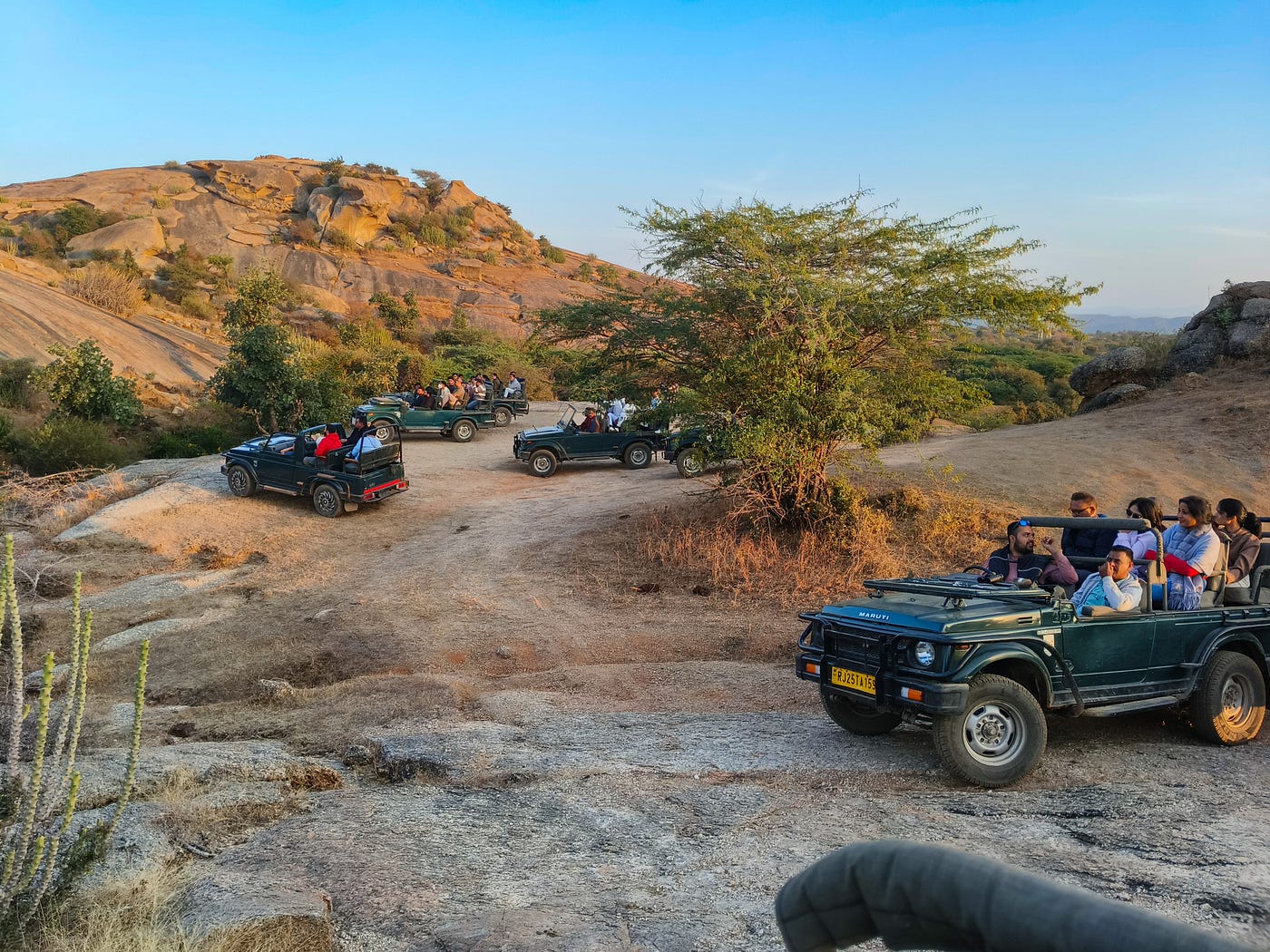
For many tourists, the experience ends as soon as they click a photograph or record a Reel for social media. Consequently, wildlife becomes an accessory, and the sense of respect that should be inherent in the wild begins to fade.
Wildlife sightings are much more than posting on social media.
Animals have a right to privacy. It does not owe us a perfect pose or an uninterrupted moment. To believe that we have access to their personal space simply because we paid for a safari is a misconception that needs correction.
On one evening drive in Jawai, we saw a beautiful female leopard emerging from a crevice between the boulders. Instantly, dozens of Jeeps rushed towards her. The noise, the dust, and the impatience were enough to ruin the sighting.
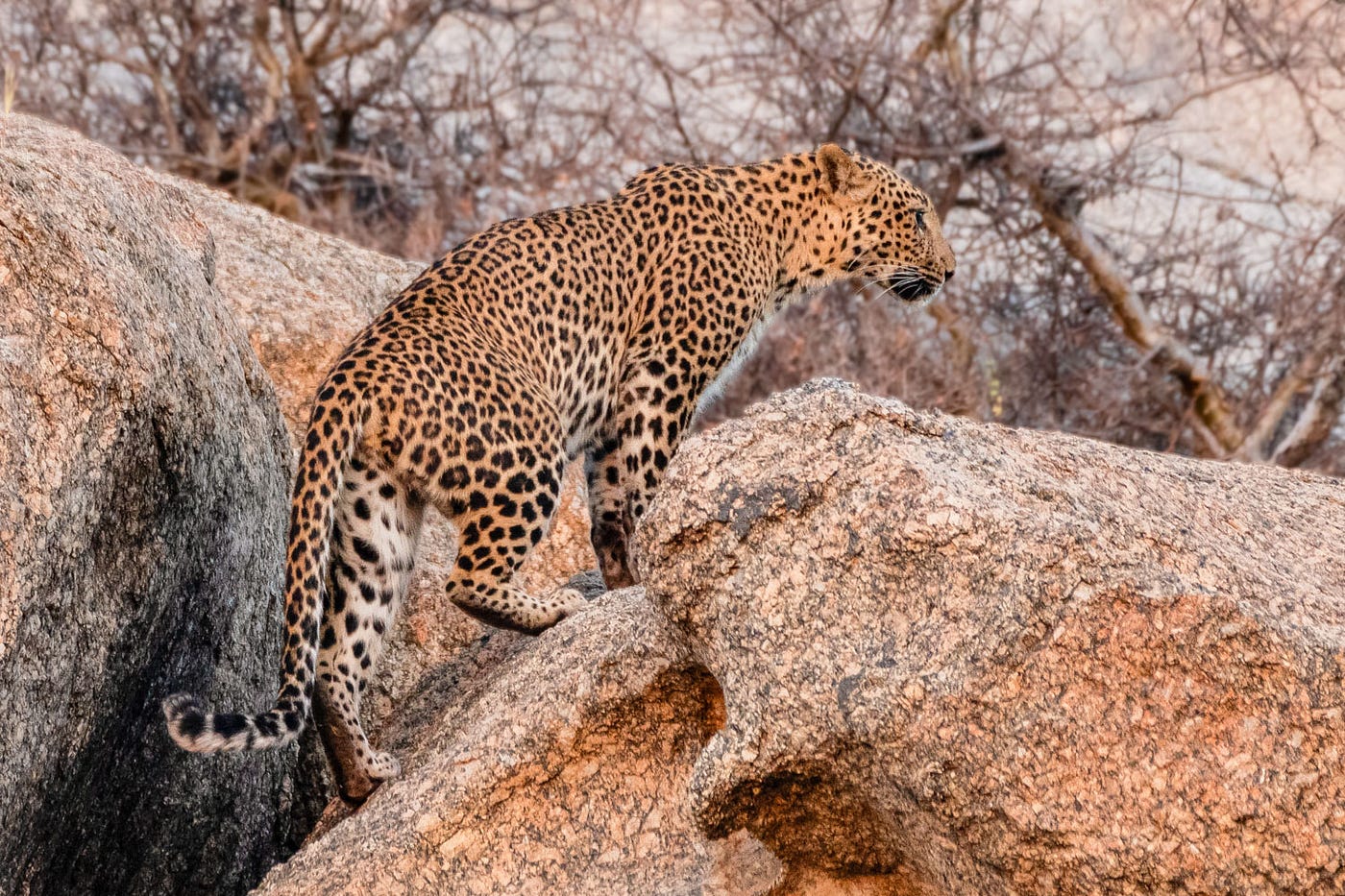
But my guide, Vikram Singh, remained calm. He quietly drove away from the chaos.
We waited in a quiet corner, away from the crowd. A few minutes later, the leopard appeared again, this time walking straight towards us. Our group was the only one present at the scene. She approached the ground in front of us and began licking salt. She was relaxed and completely unbothered. That stillness allowed us to observe her natural behaviour.
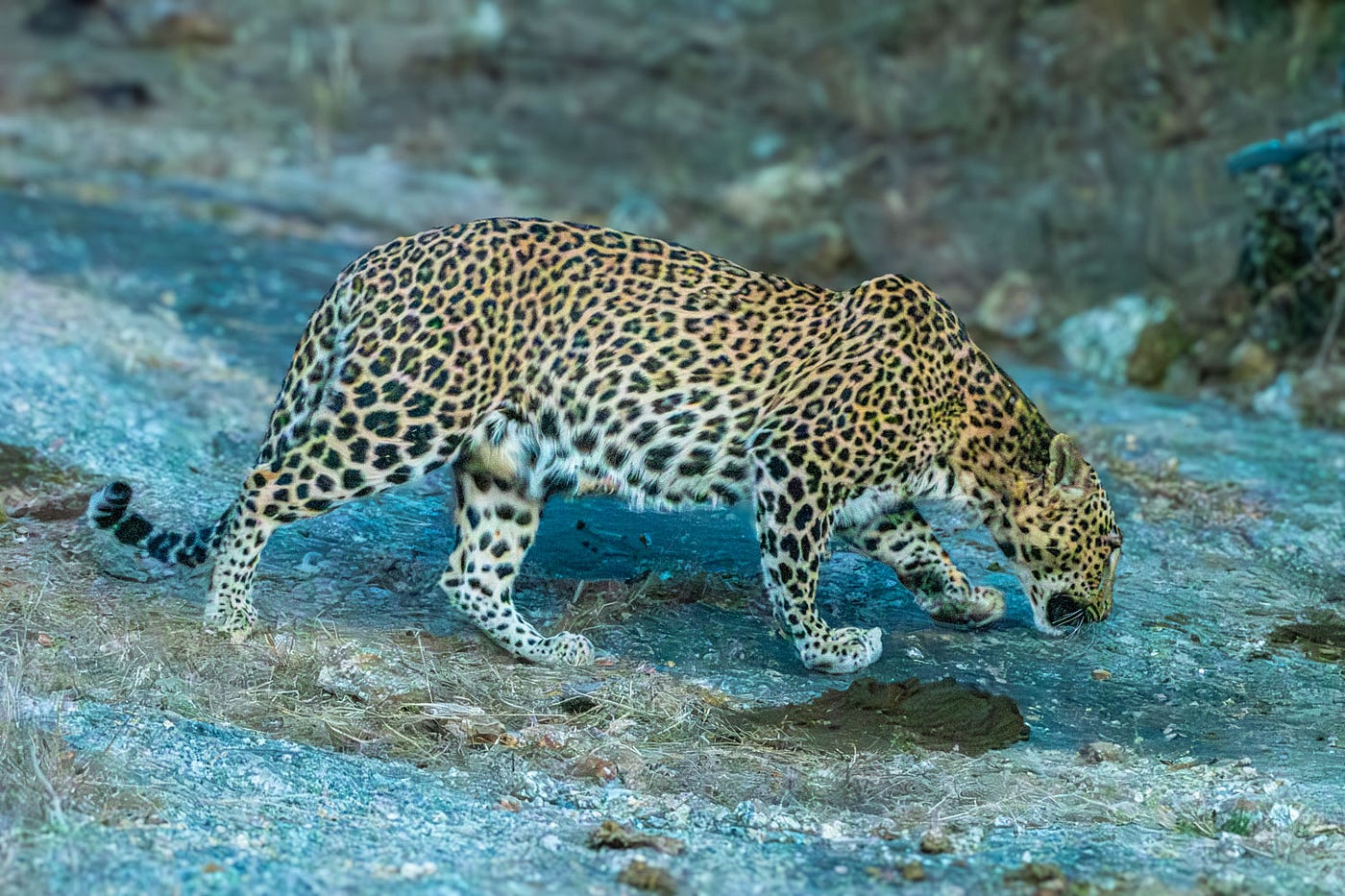
Vikram whispered that we had only five minutes before the crowd returned. He was right. Within a few minutes, the safari Jeeps lined up behind us.
Some even turned on flashlights as the light faded, something no responsible visitor should ever do. I asked Vikram if he could ask them to turn off the flashlights. He quietly replied that he had tried doing so in the past, but it only led to heated arguments.
There are many safari guides who think their only duty is to oblige their customers.
Seconds later, the leopard slipped into the boulders.
The moment was short but powerful. What made it special was not the proximity or the photographs. It was silence, ethics, and respect that shaped the experience.
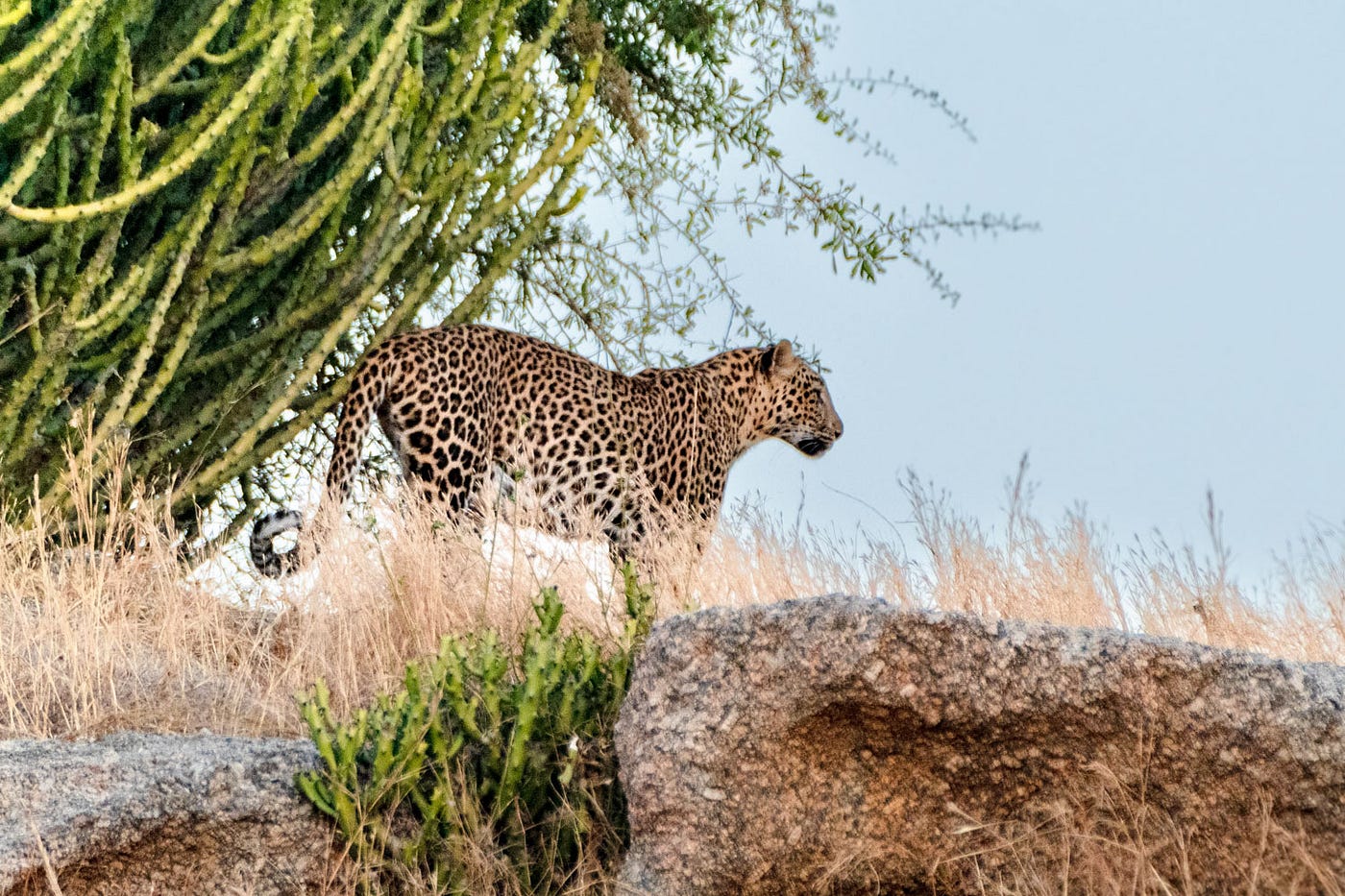
Leopards are shy and observant. They read human intentions far better than we could ever imagine. They can easily differentiate between who is good, bad, and ugly.
The fact that she allowed us to be so close without discomfort speaks volumes about mutual trust. But that trust is constantly threatened when animals are exposed to noisy crowds every day. Their instincts sharpen. They learn when to stand still and when to scurry away.
Fortunately, they have never attacked tourists at Jawai, but if we keep avoiding their personal space, it won’t be long before they do.
As wildlife photographers, we carry a responsibility. Our photographs become stories. Our stories become influential.
The way we behave in the wild shapes how the next visitor will behave. It also shapes the future of the species and allows us a glimpse into their world.
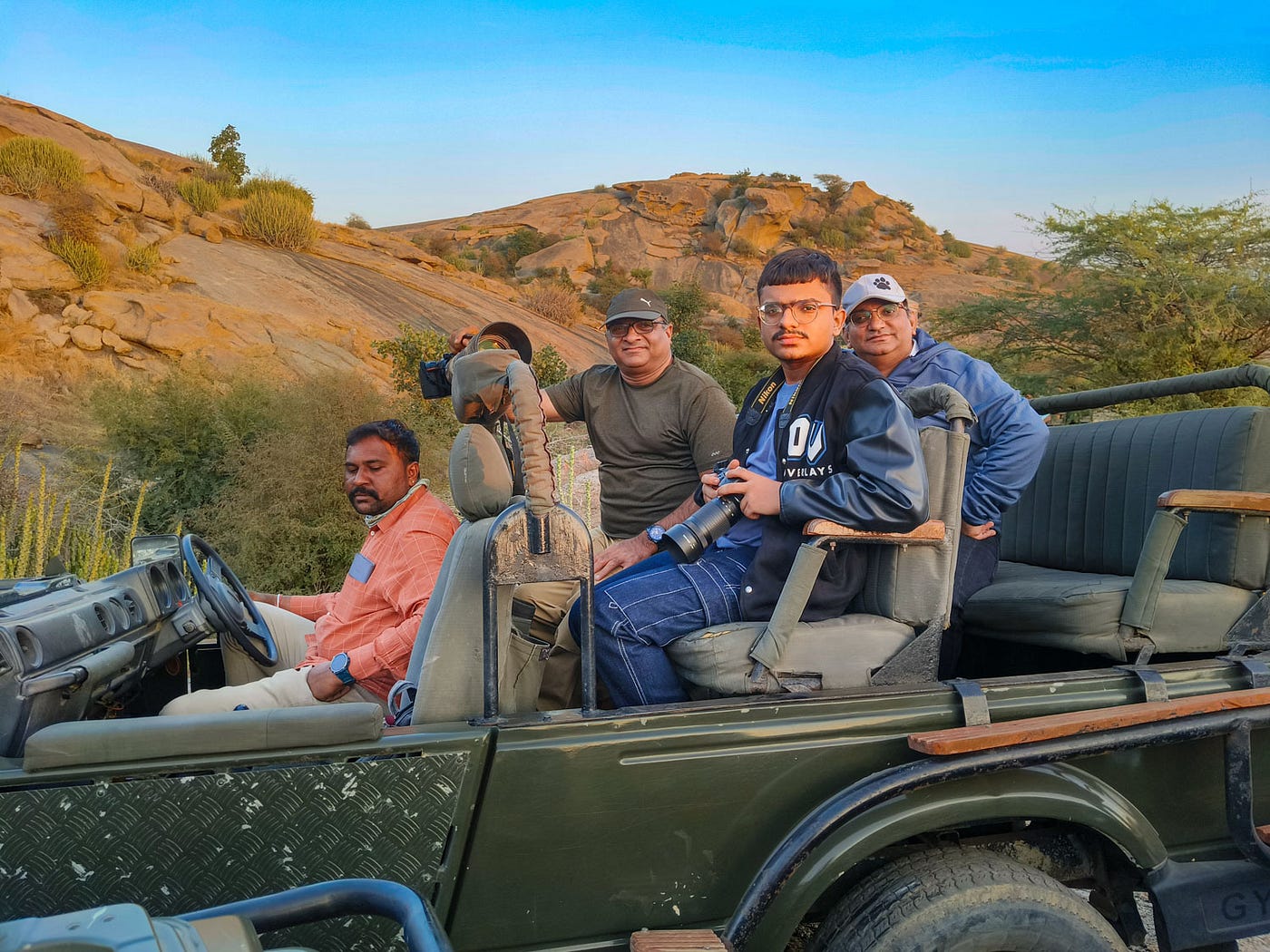
Whenever you plan a safari, choose people who are authentic. Choose guides who love their land. Choose teams that understand conservation. It may cost a little more, but it will reward you with an experience that touches you beyond the frame.
The real beauty of wildlife encounters lies not in how close you get to them, but in how respectfully you experience them.